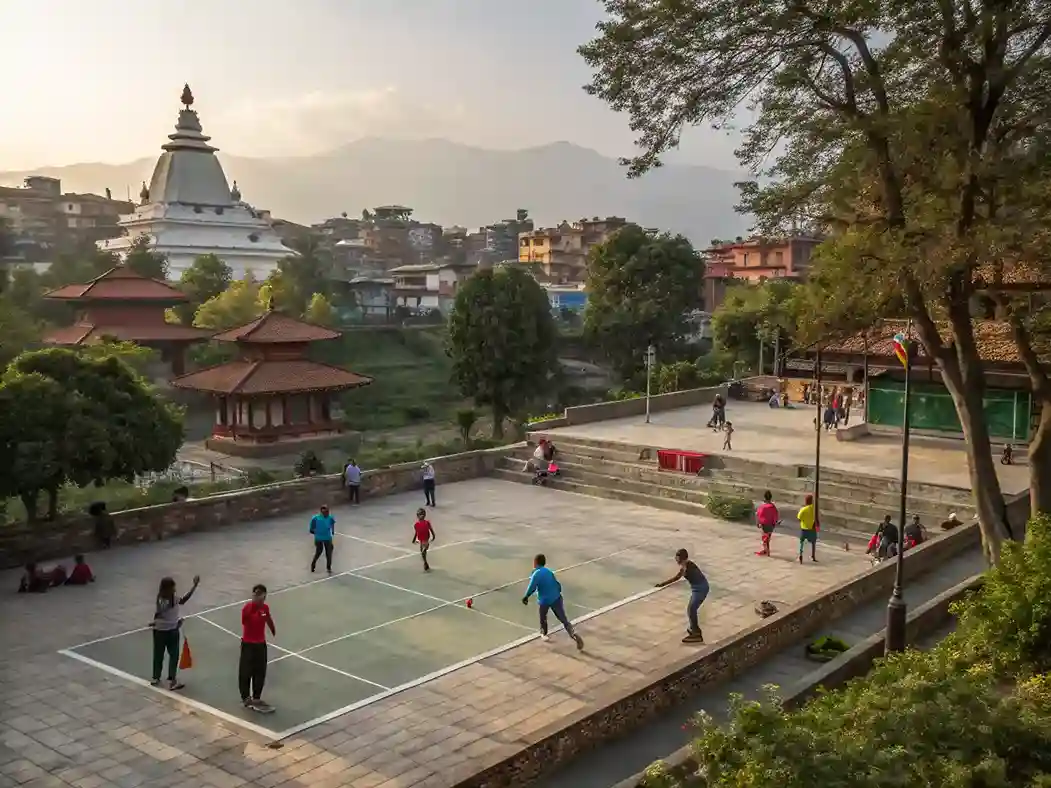
Pickleball is emerging as a favorite pastime in Kathmandu and beyond, captivating people with its fast-paced gameplay, social engagement, and accessibility. Once considered a niche sport confined to North America, it has now found fertile ground in Nepal, where both urban and semi-urban populations are embracing it. The growth of pickleball reflects changing lifestyles, the need for versatile recreation, and the desire for community-oriented activities.
Urban Adoption and Infrastructure
In Kathmandu, urban density often limits recreational spaces, yet pickleball thrives because it requires only a small court and minimal equipment. Tennis and badminton courts are being adapted for pickleball, allowing facilities to host multiple sports without significant investment. Private clubs, public parks, and school grounds are increasingly offering dedicated or flexible spaces, fostering wider adoption.
Universities and schools play a crucial role in popularizing pickleball among younger populations. By integrating the sport into physical education programs, institutions create early exposure, which builds skill and enthusiasm over time. Unlike many complex sports, pickleball’s straightforward rules allow beginners to enjoy the game quickly, while more experienced players can explore strategy and competitive play.
The sport’s appeal is further enhanced by its inclusivity. Children, teenagers, adults, and seniors can participate on an equal footing. This mix of age groups in urban settings promotes social cohesion, connecting individuals who might not otherwise interact in day-to-day life.
Social Interaction and Community Growth
Pickleball is not only a sport but a social connector. Matches often spark friendships, encourage teamwork, and create informal networks. Local clubs report that casual games quickly evolve into organized sessions and tournaments, attracting wider participation. In Kathmandu, the community element has been essential in building sustainable engagement. Players share strategies, teach newcomers, and mentor each other, fostering an environment that emphasizes collaboration alongside competition.
Friendly leagues and local competitions provide structured opportunities for social interaction. Participation does not depend on prior sports experience, making it an inviting activity for everyone. Coaches and volunteers often conduct workshops and training sessions, enabling newcomers to develop skills and gradually join competitive play.
Health Benefits and Physical Fitness
The physical advantages of pickleball are significant. Games involve quick lateral movements, short sprints, and hand-eye coordination, offering both cardiovascular and strength benefits. Players also develop reflexes, timing, and strategic thinking. In a city like Kathmandu, where sedentary work is common, pickleball offers a fun alternative to traditional exercise routines.
Older adults particularly benefit from the sport’s moderate-intensity activity. It allows them to maintain fitness, improve mobility, and engage socially without excessive strain. Mental benefits are equally notable, as players must anticipate opponents’ moves and make split-second decisions, enhancing cognitive agility.
Availability of Facilities and Equipment
The growth of pickleball in Nepal is closely tied to the accessibility of courts and equipment. Sports complexes, parks, and educational institutions have converted existing courts into pickleball-friendly spaces. Equipment, once scarce, is now widely available through local retailers and online stores, including paddles, balls, and nets. This accessibility ensures that more people, even outside major cities, can participate.
The following table highlights the current pickleball infrastructure across key locations in Kathmandu and nearby areas:
| Location | Facility Type | Number of Courts | Clubs & Associations | Public Initiatives |
|---|---|---|---|---|
| Kathmandu East | Private & Public Parks | 4 | 3 | Free weekend sessions for beginners |
| Kathmandu West | Sports Complexes | 6 | 4 | Youth development programs |
| Bhaktapur | Local Clubs | 2 | 2 | School workshops and introductory events |
| Lalitpur | University Facilities | 3 | 1 | Inter-college competitions |
| Pokhara | Recreational Centers | 2 | 2 | Adult community leagues |
This overview shows how both urban planning and community initiatives are key drivers of growth. By offering a variety of accessible courts and structured programs, pickleball continues to attract new participants while retaining experienced players.
Competitive Opportunities
While casual play forms the foundation of pickleball’s popularity, competitive opportunities have become increasingly visible. Kathmandu hosts city-level tournaments, attracting participants from neighboring districts. These events feature singles, doubles, and mixed formats, which help raise the sport’s profile and motivate skill development.
Media coverage, from local newspapers to social media, further amplifies awareness. Small business sponsorships support tournaments, providing prize money and incentives that enhance the competitive landscape. For aspiring athletes, this creates a clear pathway from casual participation to structured competition.
Coaching programs have also evolved to meet growing demand. Certified coaches guide players in improving technique, strategy, and physical conditioning. These programs ensure that newcomers can develop rapidly while experienced players refine advanced skills. The combination of coaching, media coverage, and competitive events fosters a thriving ecosystem, ensuring long-term growth.
Expansion Beyond Urban Centers
Pickleball’s appeal is spreading beyond Kathmandu to smaller towns and rural areas. Its minimal space requirements and low-cost setup make it ideal for regions where traditional sports infrastructure is limited. Community initiatives, such as school programs and public demonstration events, introduce the sport to broader audiences.
Future expansion relies on promoting both recreational and competitive play. Awareness campaigns, partnerships with educational institutions, and accessible facilities are key to reaching new players. Moreover, international exposure through regional tournaments and exchange programs can elevate the standard of play and inspire further growth.
As pickleball becomes a staple of Nepalese recreational culture, it promises health benefits, social engagement, and competitive opportunities for diverse populations. The sport’s rapid rise reflects a blend of accessibility, community-driven initiatives, and the adaptability of its structure to local contexts.
- Urban residents gain an accessible, engaging, and socially connected activity.
- Schools integrate the sport into curricula, fostering lifelong interest.
- Clubs organize workshops and tournaments to improve skills and community participation.
- Equipment availability and infrastructure expansions broaden access across regions.
- Media coverage and sponsorships enhance visibility and encourage competitive play.
Pickleball’s trajectory in Nepal demonstrates how a sport can adapt globally while resonating locally. Its combination of social interaction, physical benefits, and competitive potential ensures it remains attractive across age groups and communities. With ongoing support for infrastructure, coaching, and public engagement, pickleball is poised to become a central feature of Nepal’s sports culture, promoting active lifestyles and strengthening community ties.